Taylor Swift’s reputation Tour Strategy
Slaying the Scalpers

Taylor Swift’s reputation Ticket Strategy
The Problem
it's the economy, stupid
As a product manager for a music/tech company in London, that is focused on ticket sales, can you guess what topic people want to talk to me about most often? If you guessed ticket scalpers, ding ding ding, you got it.
People want me to be working on some magic that kills scalpers. When I explain that the problem with the secondary ticket sales market is not so much technological as it is economical, they get mad at me.
I'll explain. It all starts on a cold winter's night in America. The land of dreams.
And ticket scalpers.
Come See Lorde!
Paid: $90 per person
Our CTO/CEO power couple bought tickets to Lorde’s Pure Heroin Tour, specifically the Portland show at Crystal Ballroom for the 4th of December in 2013, almost 5 years ago exactly. They paid $90 per ticket. $180 total.
Fine they said, paid and went. Worth every penny.
They got their tickets. Everybody's happy.
Right?
Understanding the Vocabulary
Ticket Price: $10 per person
You know how sometimes the tickets have the ticket price printed on the ticket?
That’s what is known as face value, and it is the set ticket price.
Set by management. Set by the organisers.
On their Lorde tickets, it said $10.
$10 dollars.
Granted, she blew up pretty quick, but $10 is a really low price.
The price our founders paid was $90.
If they hadn’t bought the tickets, someone else would have. They were literally the hottest tickets in town on this frosty December night in Portland, OR.
We Just Found $80 Dollars Somewhere
So the $90 they paid, is what is known as market value.
Which is way higher than the $10 dollar face value.
Quick math:
$90 market value – $10 face value = $80 dollars
$80 dollars is a significant difference.
Where did it come from & where is it going?
The Story of the $80 Dollars
Let's Break It Down
So we now have found $80 dollars somewhere.
Where did they come from?
They came from the massive mismatch in the price the concert organisers set, and how much the market is willing to pay. $80 dollars is a lot of money for anyone. And for two tickets, someone just made $160 dollars of this market mismatch.
That’s More Money than Many People Make in a Whole Day.
For spending $20 dollars, you’ve just made $160. And here’s where it gets interesting. For even a person who likes Lorde and wants to see the show and has two tickets, do they want to go so much that they mightn't be tempted to walk away from the show, and make $160 dollars? Because it's a lot of money.
The point here is that the mismatch is so dramatic that even a genuine fan might consider reselling their tickets for profit.
So those $80 x 2 dollars. Where did they go?
Where did the $160 dollars go?
Not to Lorde, that’s for sure.
Hello Scalpers
Everyone's Favourite Bad Guys
Maybe it went to some fan who was tempted to resell their tickets to make $160 dollars. But most likely, it went to a ‘scalper farm’. These are the bad guys you’ve surely heard about.
It’s these hacker types who –as soon as tickets go on sale– buy them by the thousands only for you, dear reader, as a genuine fan have to go buy tickets on a secondary ticket site, often 2x or 3x the original ticket price.
Any event that sells out in 20 minutes, has had most of its tickets sold to scalpers.
The Technical Problem
The fact that they can buy so many tickets like that in the first place, sure that’s a technical problem – and trust me, there are battles fought long and hard on the front line there every single day.
But it’s an arms race. The hackers come up with one trick, the ticket sales websites build a fence for it. The next day they’ll use a different trick, and the websites put up a new blocker. If you want war-stories, get in touch, but that’s not the point of this piece.
The point is the very fact that there is a market there in the first place that can 2x or 3x prices in a matter of minutes is the whole problem.
The Real Problem
I’m talking about the economic problem at play here. The only reason all this hacking is even worth it to begin with, is because the margins are so fucking huge. Trust me when I say this, running an operation like that with server farms and skilled programmers ain't cheap.
To try to put the kinda figures we're talking here in some kinda context, imagine this. Imagine one person, once a week buying 2x tickets and then reselling them again. This one person does this every week, for a whole year. This person would be making more than minimum wage. From just doing that. 2x tickets, once a week, for a whole year.
So if a normal person buying two tickets at a time with no hacking skills or anything can literally double their salary in a year like that, can you imagine when you do have the algorithms to work out exactly which tickets to buy and the server power to just go for it when needed? Well, I’m sure you can, because that’s exactly how this works now.
When you have $10-$30, or even up to a few hundred dollars literally there for the taking on every single ticket that gets sold to the biggest acts of the world, it's simple. Capitalism means someone will take that money. If you think I'm cherry picking high numbers for drama, I'm not as you can learn more about in this report.
Oh, and each of the big shows has at least 5,000 tickets available – and for the stadiums, we’re talking tens of thousands of tickets, per show, and then there are many shows and many artists. It’s a lot.
[this is why we have ticket scandals even within prestigious organisations or within management teams – cos it’s a whole lotta money we’re talking, and it sure must be tempting...]
System Failure
And so now we have a system that’s the worst of everything. Concert organisers don’t want to raise their prices out of fear of seeming ‘greedy’; or pissing off the audience they obviously need to attract – who are already completely used to how much tickets cost and that they can be expensive if it’s a big or even just popular show.
Meanwhile, the ticket scalpers are laughing all the way to the bank. And since the live industry started exploding we’ve been in this stalemate where the artist and management and venues are losing out massively and the fans are paying massively. And the only winners are the scalpers.
Enter: Fix It With Magic
Technology sure has the answer, no?
So we’ve been saying this for a while, right. We look at ticket data all the time, our users ask us all sorts of questions of how to do strategy better, but everyone wants magic technology to fix this.
There is no magic technology, because this isn’t a technical problem. Even if all secondary websites would shut tomorrow, people would sell tickets on Facebook, Twitter, Craigslist. Even if the internet would shut tomorrow, there’d be guys standing outside the venue waving tickets.
The technology to support the secondary market exists, because there are legitimate reasons to resell tickets. And the secondary ticket sales market exists when there are people selling and people buying.
It's not a technical issue.
So What Did Taylor Do?
The Only Solution
it's a supply and demand problem
There’s only one solution. It’s obvious when you know the math. Right?
And that is to raise ticket prices. Which will be unpopular, right.
It means shows won’t sell out as quick, because the shows themselves are now carrying the risk of selling out – not the scalpers who bought up the tickets. Your best bet is actually knowing how many tickets you’re selling, and reacting to what the market is telling you.
Nice theory, right?
Looking for a Star
So who would have the balls to do something like this? Who would have the balls to tackle the supply and demand problem, and solve it with a supply and demand solution?
If you need an ECON 101 refresher:

High demand should mean high price. Low demand should mean lower price.
If you have limited supply (the venues only take so many people), you raise the prices.
This is how airlines are run, some flights are expensive – but you can also go cross-Atlantic for under $500 return. This is how our whole economy is run. The price is controlled by the market. And the person who sets the price, profits if things are good and loses out if things are bad.
Music Industry Maverick
enters from stage left: Taylor Swift
And so. Already pissed at the media. Already crafted her icy persona for a new era.
The person with big enough balls to fully go for it.
The person to deliberately have high ticket prices from day one, is one Taylor Swift.
To meet a demand and supply problem with a demand and supply solution. The only other act that does this like this is The Rolling Stones. And they do it because they only go on like 15 shows per year or something (we’ve written about this extensively).
The media went crazy. “Still lots of ticket available for the reputation Stadium Tour”, “What is she thinking?”. 'Money-grabber' they called her, 'a flop' – “it won’t work” they all said. And you can imagine how we held our breath as we saw her tour roll out and then to see if it worked. If what we’ve been saying for a long time, worked. To kill the secondary ticket market, you gotta raise the prices (or increase the demand – but that’s a story for another time).
Why do we care so much?
Because we’ve bet our whole product on it. We bet that your only play as an organiser is to know your market and react to the market. We bet that your best bet is actually knowing how many tickets you’re selling, and reacting to what the market is telling you.
Back to Taylor.
And how’s it going, you might ask? Since Taylor's reputation Stadium Tour just wrapped in Tokyo last week, let's see how she did.

Here's a screengrab from the Wikipedia page 'reputation Stadium Tour' from her N-American leg which alone reported total revenue of $277 million from 40 US dates. For context, last year Coldplay grossed $237 million for 54 dates for their entire tour, and that placed them as the third highest grossing tour that year.
The full tour grossed a total of $345,508,462 and is the highest grossing female tour of the decade and the second highest-grossing by a female artist of all time. That's $40 million more than U2 grossed last year, who comfortably had the biggest tour of 2017.
The tour could be grossing higher because more of what people are paying is going directly to Swift's camp –as opposed to scalpers' pockets– but nonetheless, the reputation Stadium Tour didn't just shatter records all around, it also sold out.
Sold Out
Stadium Tour
It sold out.
And that is not even with everyone purchasing tickets at the advertised higher price. Taylor's Verified Fan programme powered by Ticketmaster offered pre-registered fans to buy tickets at a 'normal' price before they were put in general sale at the new high price.
But also higher ticket prices meant slower ticket sales. As inventory still existed in some markets, the prices could be lowered again to match the demand. What we're seeing here is the first bold move to move to a more dynamic ticket price strategy, where the tour management is using ticket prices very strategically.
Better Strategy = Better for Everyone
It absolutely carries bigger risk for the tour, because now it's the sole entity responsible for selling out the show. But it's also a lot more honest way to run an operation and accurately meet the audience's demands, and not basing strategic decisions (like adding a second date in a booked city) on scalper and bot behaviour.
But it also means tickets exist on the primary ticket sales market long enough for genuine humans to purchase.
Who doesn't remember the disappointment of big shows coming through with absolutely no chance of getting a ticket? Well, I remember very disappointed teenage sisters who couldn't get Justin Bieber tickets, frustrated auntie whose only options for Adele were hundreds-of-dollars for nosebleeds and lots of friends sporadically asking if I can make magic happen because of my work.
Which I hate having to just kinda reply with a "¯\_(ツ)_/¯ soz-mah-dear".
What's Next?
So we're already seeing this for the most highly anticipated tours of 2019, many of which have already gone on sale – tickets are definitely higher for these A-list acts than they have been before.
A-listers who've already put their tickets on sale, haven't sold out yet and primary tickets are often priced in the low hundreds. So it will be interesting to see how 2019 will play out – now that Taylor Swift's strategy has paid off in the way that it did.
Curious who's touring in 2019? Take a look at our interactive demo to see the top 30 most anticipated tours of next year.
The PROMOGOGO team writes articles on
ticket sales, data, strategy and audiences.
browse our article list to find your next read
-
 Integrating Unsplash
Pretty Pictures
Today we rolled out an integration to Unsplash, "The internet’s source of freely usable images" as they say themselves.
Thu Jan 30 2020 01:20
Integrating Unsplash
Pretty Pictures
Today we rolled out an integration to Unsplash, "The internet’s source of freely usable images" as they say themselves.
Thu Jan 30 2020 01:20
-
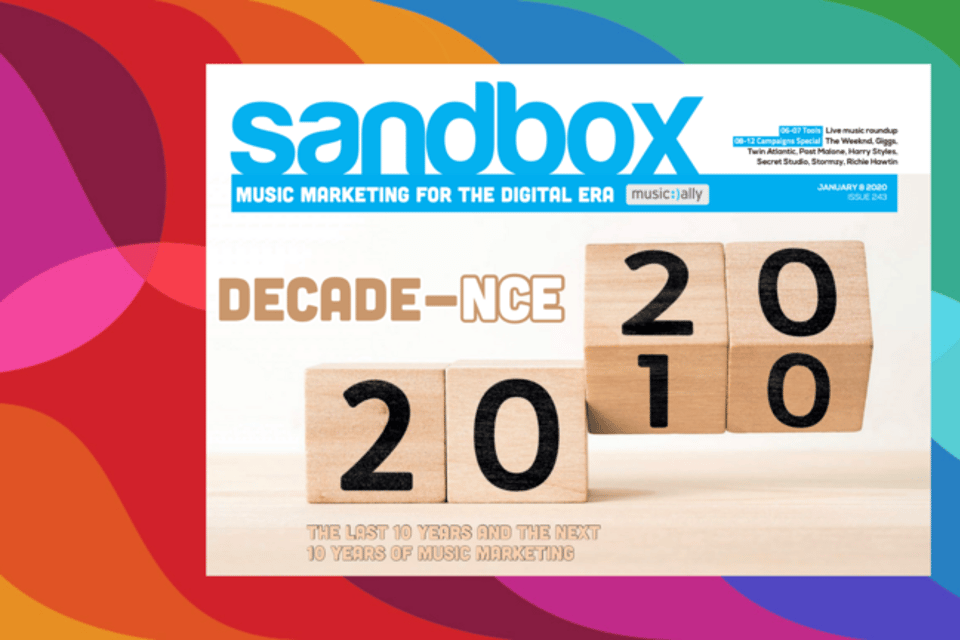 MusicAlly calls Promogogo "An Essential Tool in Ticket Sales"
They add: "Promogogo can save a lot of money, prevent fan frustration and counter the secondary market."
Thu Jan 16 2020 12:35
MusicAlly calls Promogogo "An Essential Tool in Ticket Sales"
They add: "Promogogo can save a lot of money, prevent fan frustration and counter the secondary market."
Thu Jan 16 2020 12:35
-
 what K. Flay is doing online to engage
Making the Most of the Medium
what K. Flay is doing online to engage
Fri Nov 15 2019 16:05
what K. Flay is doing online to engage
Making the Most of the Medium
what K. Flay is doing online to engage
Fri Nov 15 2019 16:05
-
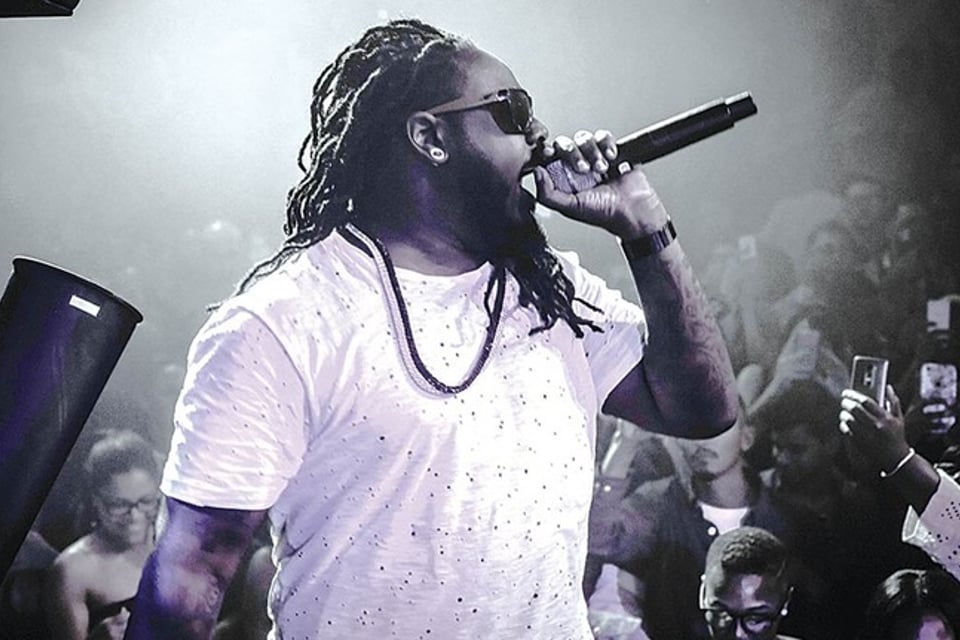 T-Pain explains candidly why he cancelled his tour
Ticket Sales Are Hard
T-Pain explains candidly why he cancelled his tour
Thu Oct 24 2019 12:22
T-Pain explains candidly why he cancelled his tour
Ticket Sales Are Hard
T-Pain explains candidly why he cancelled his tour
Thu Oct 24 2019 12:22
-
 Ask Ed Sheeran. And Travis Scott. And Lil Nas X.
What is Cooler Than Collaboration? Not a lot.
Ask Ed Sheeran. And Travis Scott. And Lil Nas X.
Fri Jul 12 2019 10:44
Ask Ed Sheeran. And Travis Scott. And Lil Nas X.
What is Cooler Than Collaboration? Not a lot.
Ask Ed Sheeran. And Travis Scott. And Lil Nas X.
Fri Jul 12 2019 10:44
-
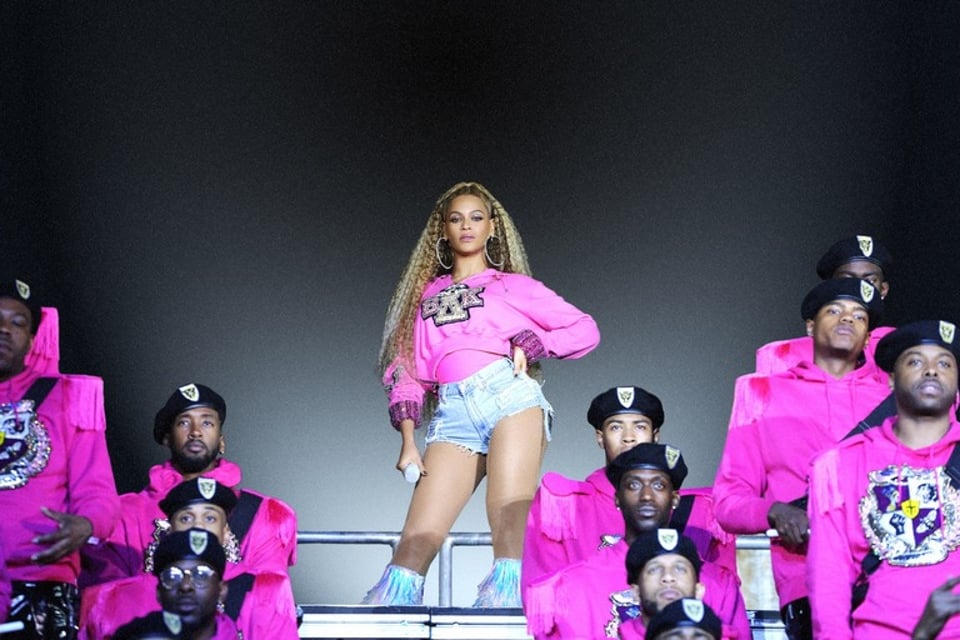 The Netflix Special
Beyoncé Demonstrates the Importance of the Casual Fan with Homecoming
Our raison d'etre here at Promogogo is we see a glaring gap in the market in event promotion: always talking about fans, to fans, reaching fans. Like Mr Bossman put it "Don't underestimate the size of the 'hey honey, it's been a while since we went to a concert' crowd." who'd be up for "this sorta thing".
Wed May 08 2019 11:43
The Netflix Special
Beyoncé Demonstrates the Importance of the Casual Fan with Homecoming
Our raison d'etre here at Promogogo is we see a glaring gap in the market in event promotion: always talking about fans, to fans, reaching fans. Like Mr Bossman put it "Don't underestimate the size of the 'hey honey, it's been a while since we went to a concert' crowd." who'd be up for "this sorta thing".
Wed May 08 2019 11:43
-
 Content Economy
Our Full Notes on the IFPI 2018 Report
It's the ‘Much-More-Than-Music’ Content Economy
Fri Apr 05 2019 14:44
Content Economy
Our Full Notes on the IFPI 2018 Report
It's the ‘Much-More-Than-Music’ Content Economy
Fri Apr 05 2019 14:44
-
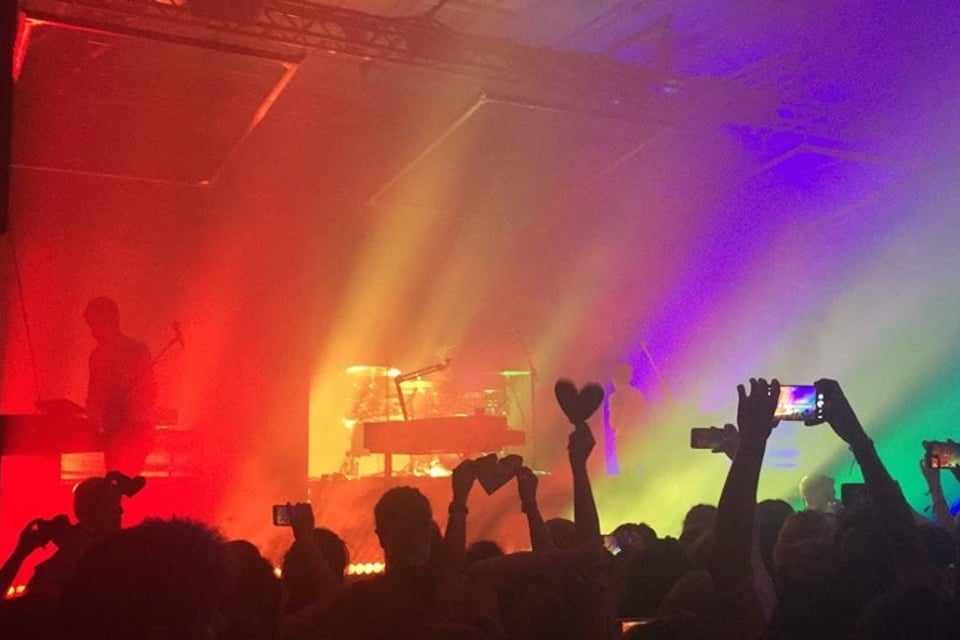 How To Spend Your (Limited) Time and Money
Luck Favours The Prepared
How to spend your time and money
Thu Mar 07 2019 12:03
How To Spend Your (Limited) Time and Money
Luck Favours The Prepared
How to spend your time and money
Thu Mar 07 2019 12:03
-
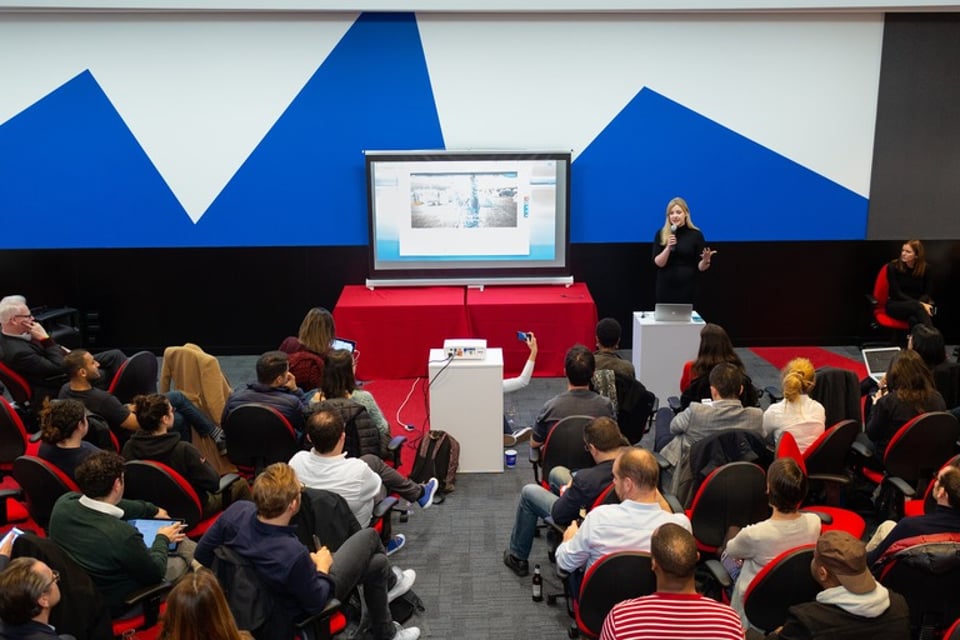 @TechHub's #TechHubTuesday Demo Night
The Promogogo Demo
@TechHub's #TechHubTuesday Demo Night
Mon Mar 04 2019 15:47
@TechHub's #TechHubTuesday Demo Night
The Promogogo Demo
@TechHub's #TechHubTuesday Demo Night
Mon Mar 04 2019 15:47
-
 Next Article:
Playing Festivals Means More Streams
Spotify data shows a boost in streaming numbers before and after a band plays at a festival.
Thu Feb 28 2019 13:10
Next Article:
Playing Festivals Means More Streams
Spotify data shows a boost in streaming numbers before and after a band plays at a festival.
Thu Feb 28 2019 13:10