Our Full Notes on the IFPI 2018 Report
Content Economy
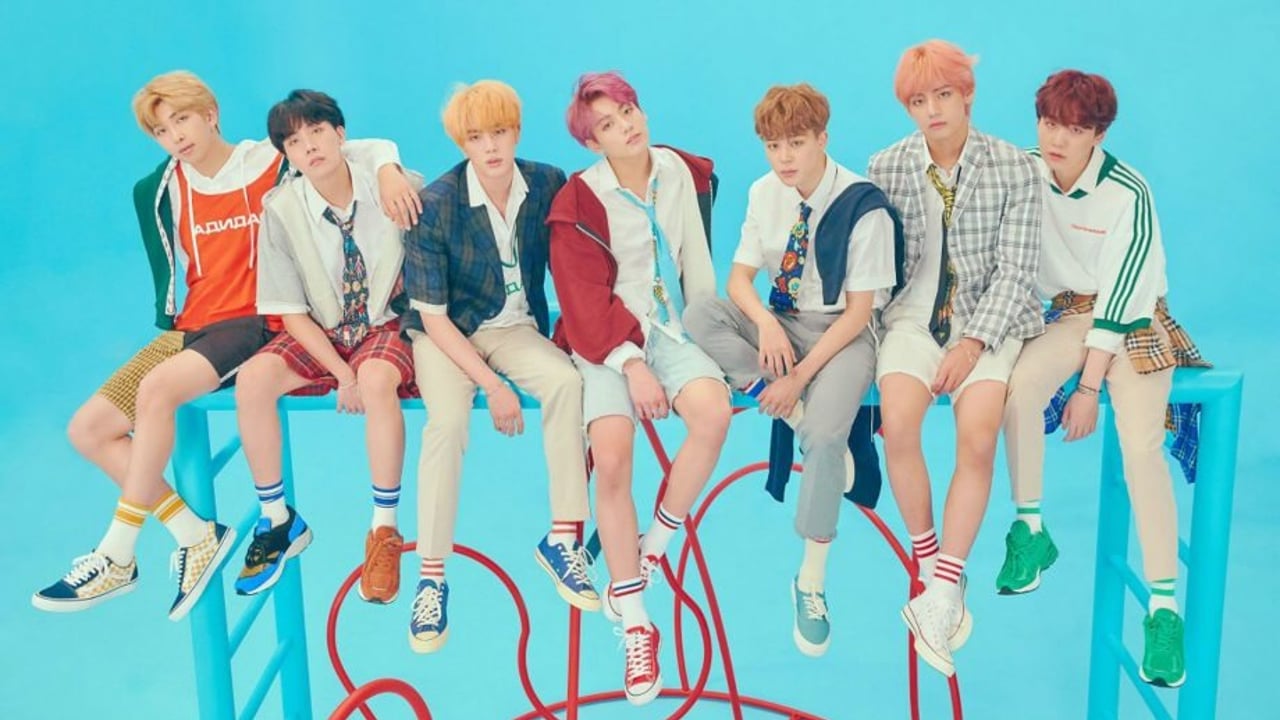
CREDIT: BTS PRESS
For the uninitiated, IFPI is the organisation that represents the recording industry as a whole worldwide (they're a pretty big deal). Every year they release an annual report about the overall trends in the music business worldwide, and if you care about music and the business – you should probably read it yourself.
If you want to know what our highlights, and most interesting trends are – well, then keep reading. Here are our notes from their report.
1. Streaming Has Turned the Industry Around
The infamous tale of how the internet killed the recording business with piracy etc. has finally had its downward spiral not only contained but reversed. From the turn of the millennium, year-on-year the story of the state of the recording industry was that of a sad one, with total global revenues of over $24 billion in 2001 to under $15 billion in 2014.
But from 2015 onwards, the giant global unicorn that are the streaming services finally reversed this trend. It turns out people don't mind paying for music now that there are good platforms out there where people can find what they're looking for – and access high quality curated experiences.
There has been a year-on-year growth in streaming since, and in 2018 was the biggest jump yet, with total revenues of the industry at $19.1 billion. The role of streaming is even more impressive here because streaming made up no portion of the industry in the early millennium, and was only $1 billion in 2012 (15% of that year's total annual revenue). In 2018, streaming accounted for $8.9 billion, and therefore accounts for more than half of all revenues generated by the recording music industry.
IFPI Global Music Report 2019, page 13
2. More Money, More Investment
A lot of money in the industry means a lot of investment not just in the artists themselves and their branding, but also in the industry itself and the infrastructure and to empower the people making it happen behind the scenes.
3. The Artist Vision Comes First
The reality of our world full of platforms and media-formats, and therefore consumer's level of choice means that there isn't one strategy that works for all artists.
The vision of the artist that makes the music extends well beyond the literal soundwaves – or even traditional formats like album length (compare Drake's 25 track Scorpion album to Kanye's album Ye with only 7 tracks), genres (are getting increasingly fluid – even across language regions, see artist like Spanish speaking J Balvin reaching international audiences now), and even traditional release cycles (see Ariana Grande who released two albums before her current tour, instead of the traditional album-tour cycle with one of each).

As a consequence, artists are becoming more than just musicians who make music. Artists are now a character, a personality, a multi-media presence – and for the biggest ones, a global brand around their person.
4. Industry as Infrastructure
As the demand on artists as brands, the industry (now flush with more cash) is investing in all of the infrastructure around it, and the tools the artists need to execute that vision.
This goes well beyond building the traditional recording studios. The recording industry is now investing in content production teams that can produce anything from commercials and music videos, to stills, to vertical/horizontal videos, to podcasts (one of the ways George Ezra build his audience) and of course the endless stream of social media content required.
For the biggest artists, this might goes as far as development of artist-branded apps and incorporating the bleeding edge of innovation into their brand. The music industry is hungry for figuring out how to use the latest in the tech-industry to interact and engage with fans in new ways.
5. Labels Become Enablers
As the biggest artists in the world are no longer just one thing, take Lady Gaga – who along with being the ninth biggest recording artist of the year, is also a performer who goes on tour, has a documentary on Netflix about her life, became an Oscar-winning actress last year, did the half-time show at the Super Bowl, and has a gang of 'monsters' that's in the millions and she engages with on the regular across multiple social media platforms.
The industry, particularly the record labels, are now moving into the direction of faciliating the vision of the artist – in whichever direction that is, which can also be seen by how big music companies are increasingly taking on responsibilities that tended to be across disciplines before.
In the recent words of Rolling Stone magazine: "Record labels are becoming streaming services; talent management companies are becoming record labels; distributors are having a go at becoming managers." referring to how the big players in the industry are competing to be able to meet all needs of the artist.
6. Vision Determines Strategy
With the opportunity of so many touchpoints between audience and artist (music, videos, multiple social media platforms, films, apps, brand deals, clothing lines, merch – you name it), the name of the game becomes strategy. What touchpoints make sense for what artist. The campaign needs to consider this holistic approach to the brand that is the artist – and it needs to be in-line with the vision and the audience it seeks to engage.
Any element of a campaign that doesn't feel natural will in the best-case simply not cut through and in the worst case undermine the entire narrative arc around the artist and erode their brand. The currency in our modern world with its massive connectivity is trust and authenticity.
Campaigns only work when they are a part of or even enhance the artist's overall story.
7. Can Absolutely Work with Brands
To take that even further, there are definitely ways in which a brand can become a part of the artist's story. If this is done well, it can even cement a deal that is not just one-off but a long-term arrangement – beneficial for both parties. It's very easy to see if this is working out by the audience reaction and data.
It's the ‘Much-More-Than-Music’
Alexander Popov
Reading carefully through IFPI's report reveals this really clear industry trend: the music industry has become a producer of something much bigger than "just some recordings". They produce some of the biggest brands in the world (as demonstrated by the fact that the most followed social media accounts tend to be musicians) and as such, they need to execute sophisticated and holistic strategies that are about much more than promoting an album.
It's about building an international presence in a way that is holistic and consistent with the vision of the artist that has never been more important. Any attention of the recording or the online brand is followed up with live events, and lines of merchandise that have become so extensive they could be called clothing lines or product lines in their own right.
The relevance of the metaphorical 'rule-book' has been as good as eradicated, as different strategies proof effective for different artists in every aspect of the operation. Every element of an artist's career is up for experimentation. This includes release schedules, types of content produced, album length, what social media platforms to be on and how present to be there – all up for grabs, it just has to make sense for the artist in question and their vision.