The Inspiring Success of Pentatonix
Using the internet to find & maintain an audience
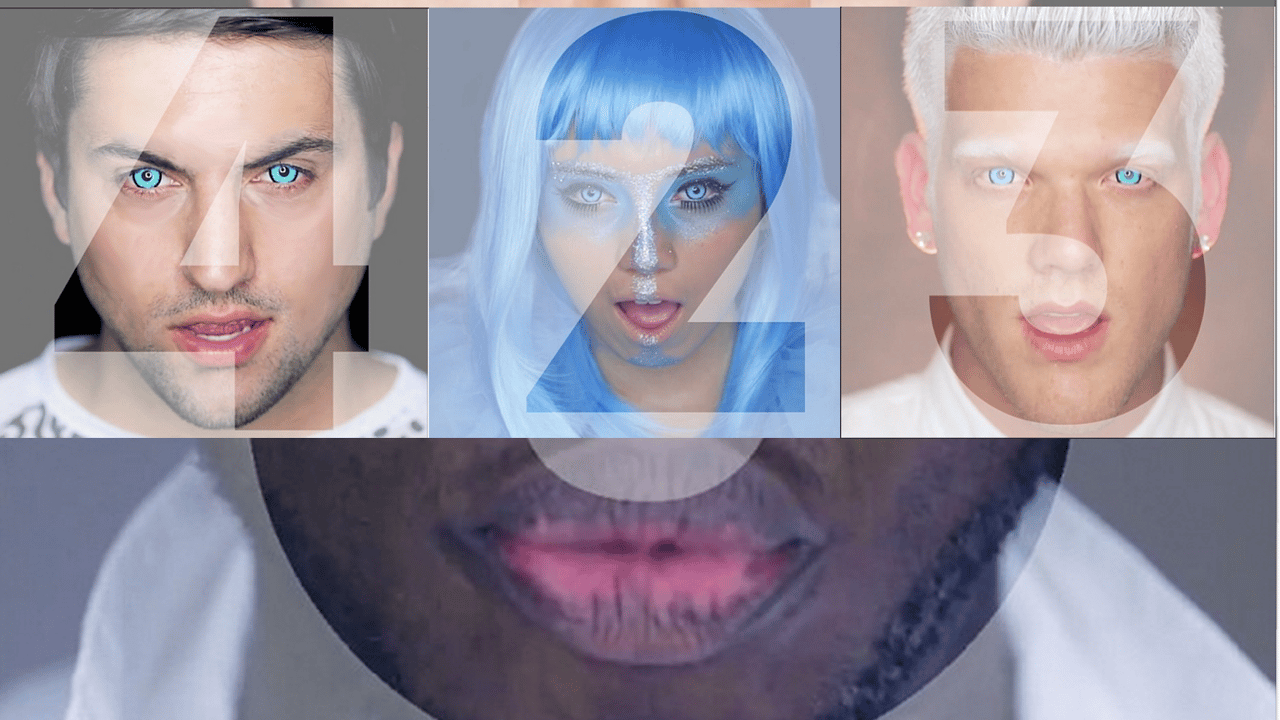
It All Began in 2011

It’s the end of 2011 and Pentatonix has three things: money in the bank, a recently signed record deal and a hint of a fanbase after winning NBC's reality TV show the Sing Off. Not a bad situation to find yourself in. However, how do you go from there to placing yourself on the top of the charts?
Well first, by being talented. However talented people go unnoticed every day. How did they find their audience? Most of us know by now it's essential to be on the internet and visible online.
It's easy to look at them and go 'but these guys are already so successful'. However they built it gradually, and found success because of their knack for using the internet to their advantage.
Pentatonix' YouTube success has been incredible. Their Daft Punk medley, which is what won them the Grammy, has been viewed over 200 million times.
“This is the most exciting thing that’s ever happened to us. We recorded this in a bedroom closet, filmed it in the kitchen, and now we’re winning a Grammy. It just goes to show that anything is possible.”
– Scott Hoying during Penatonix' Grammys acceptance speech
Pentatonix has eight other videos which have been viewed over 50 million times each, and you'd be hard pressed to find a video on their YouTube channel that hasn't gone viral.
Now they obviously have this huge audience, so everything they post gets millions of views in the first day or two.
But when they started out they were growing organically, and here are some of the strategies that we observed that they used. Needless to say, they played out perfectly.
Finding & Maintaining an Audience
It’s about creating your own fan base. You can do it all yourself through YouTube, through Twitter, through Facebook
– Kevin Olusola of Pentatonix

After winning the Sing Off, Pentatonix went straight to the studio to record their debut album. To maintain their newfound following, they wanted to ‘keep it fresh’ and released covers of popular songs on YouTube. Although they had caught the industry’s attention, Kevin Olusola's quote (above) highlights the importance of having their own audience.
They build their audience on two things: An amazing online presence centered around YouTube, and touring.

Pentatonix on YouTube
Penatonix – the a cappella group that managed to go mainstream. Their successes include a Grammy, a best selling album, the most subscribed to YouTube music channel that isn't on Vevo, multiple international sold out tours, and most recently – singing Jolene with Dolly herself.
In other words, Pentatonix is one of the first groups to use their online presence effectively to achieve 'traditional' success. So how did they do it?
Covers & Collaborations
Covering current popular songs makes you come up in common searches. This adds to the exposure and introduces you to a new audience. Pentatonix clearly knows this and has covered some of the biggest artists, including Ariana Grande, Beyoncé and Daft Punk.
Collaborations with other content creators (for example like they did with Lindsey Stirling) works as a cross promotion. It introduces Lindsey to Pentatonix' audience and vice versa.
2) Building Quality Catalog

When Pentatonix releases a video, they insure the best quality possible to them. If you go back to their first videos, they weren't posting videos with fancy production. They let their songs stand for themselves but ensured the best possible quality of the performance and the sound – fully utilising the potential of the YouTube's distribution opportunities.
They release videos regularly, so over the four year period their catalog has gained depth. Not to mention their album catalog now runs four full length albums and fourteen singles.
It means that now they have quite a collection of videos available on their channel. This means when a new person discovers any of their videos, there is substantial content for that person to get lost in. The result is Pentatonix comes across as vibrant, busy and as worth paying attention to.
3) Keeping it Personal
Their constant back and forth interaction with the audience is the most noticeable thing across every platform. No matter how successful they get, they always make sure to thank the fans – and very often leave a little message at the end of their videos.
That's not all, they also give personal updates on Instagram and thank the fans who came out to the shows on Twitter, and they've even released a full album commentary.
This thanks the audience for their time and encourages them to find them on other online platforms. Pentatonix both as a band, and each of its five members are all active on social media, particularly Twitter and Instagram. This has the effect of the audience feeling like they know them.
Having the audience so invested in them as a brand, means that as soon as they've got a product to put out – the audience is already craving it. That drives sales, as their sold out tours and certified gold and platinum records demonstrate.
I’m just excited to be back on the road again and perform for our fans all over the world. They’re amazingly supportive and dedicated people. And so sweet!
– Mitch Grassi to Forbes in January 2015
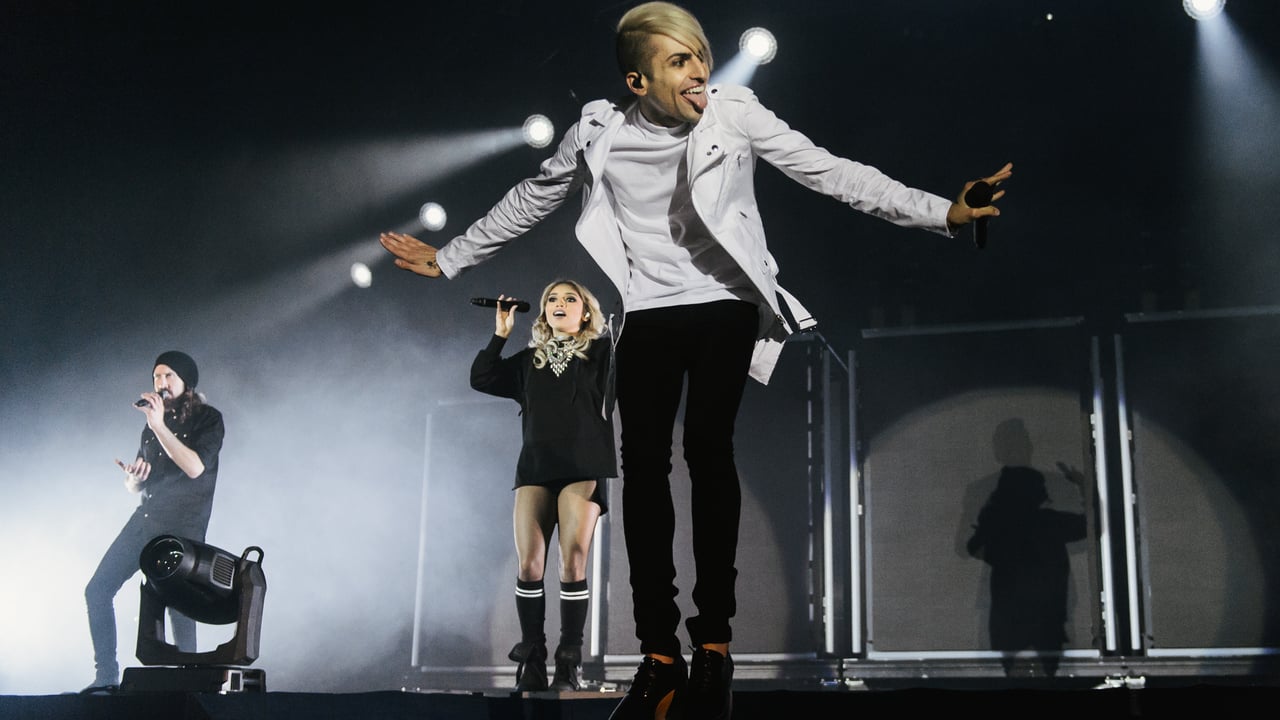
Touring
The pairing of touring and social media creates a virtuous cycle where the live shows generate hype online. It goes something like this:
- Hype online draws in a wider audience who gets curious what the fuzz is about.
- Because they have such a strong online presence, there is plenty of content the newcomers to get lost in.
- Those newcomers that like what they see, get interested and might interact with the hype.
- The next time Pentatonix puts out an album/tour they have grown the size of the audience they can share their products with.
- That brings more people to the live shows, so they sell more tickets.
- More tickets sold, means more people at the next show so the next concert creates an even bigger online hype.
The Penatonix moved from tiny venues to 2000 capacity concert halls in their first 2-3 years of opeartion.
Where are they now? Over 10 thousand tickets sold per event.
