Robbie Williams' Ticket Sales Strategy
Go Loud, Advertise, Email
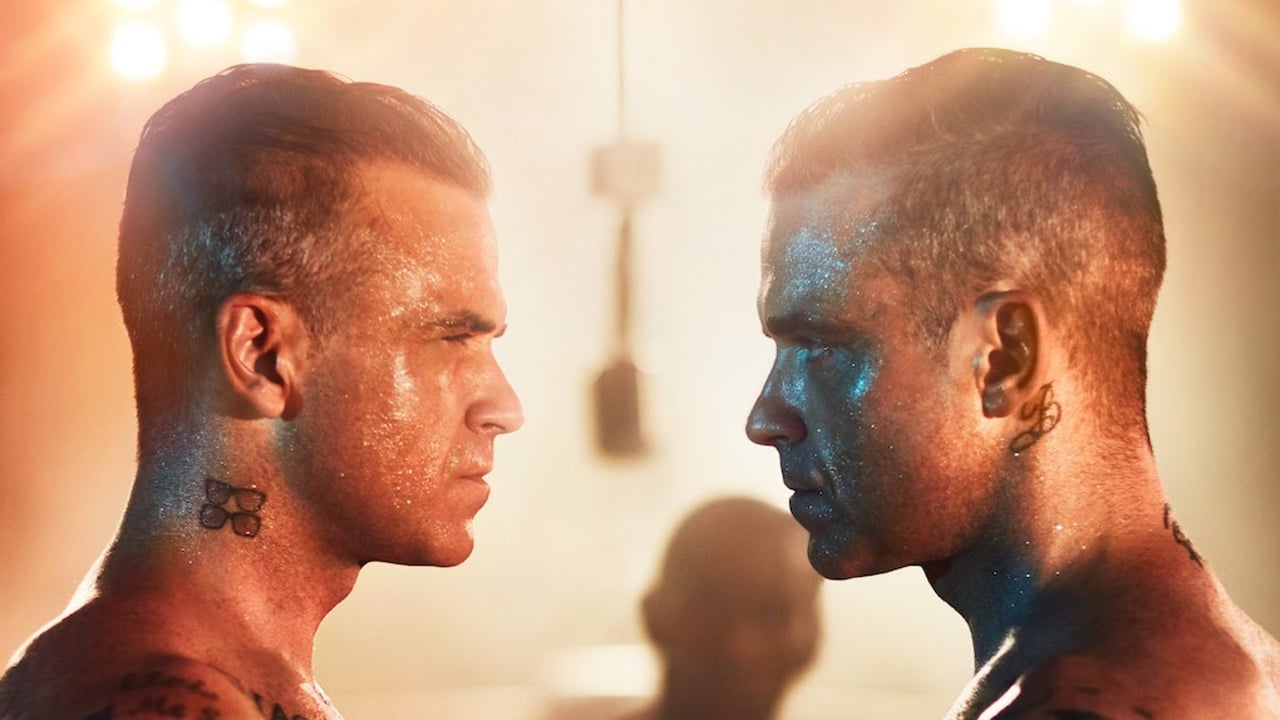
Robbie Williams
Robbie Williams should need no introduction. He started his pop career as a sixteen year old in British mega-group Take That in 1990 and went solo in 1995. His first seven albums as Robbie Williams all went to number one in the UK. He's sold over 77m copies which makes him one of the best selling artists of all time.
And now he's back. With an album and a tour.

Williams is a bonafide Tier 1 Artist, so of course we are excited to see how he'll promote his tour and push for ticket sales. Because we're guessing he'll sell a lot of tickets.
This is a stadium tour, and we're talking about the man who in 2006 broke the world record by selling 1.6 million tickets in a single day. Then in 2013 his tour earned $20 million from 9 shows.
So we're watching.

Much to our pleasure, it's almost like his team read our blogpost Marketing Methods and followed our recommended strategy for an artist of his size. Ahh, the joys of watching professionals at work.
This is exactly what we said:
If the product doesn't need explaining, all efforts can be focused on building hype. Hype determines demand, and demand drives sales.
This is the Hollywood way. A movie is something everyone understands, but will still need to be convinced to see this movie. That's why for every blockbuster, city buses get plastered with ads, and the stars go on late night talk shows.
It's to make sure anyone who likes movies, or this particular genre of movies, or this actress will know to go see this movie at this time. They have to know about it and want to go see it.
Recommended strategy: go as loud as your budget allows.
Start with Publicity and Advertisements , follow up with Direct Marketing.
People are aware of what 'Robbie Williams Tour' means. So all efforts can be focused making sure as many people as possible know that it's happening – in the UK, in 2017.
The three key elements from this are:
- Publicity – Generates Hype
("oh my god, did you see that interview!") - Advertisements – Establish Demand
("ah, so he'll perform in London in June") - Direct Marketing – Closes Sales
("here's where you buy tickets, they're selling fast!")
What Robbie Did
Step 1: Publicity
Robbie Williams told a story so private in an interview on the Graham Norton Show, that the BBC couldn't possibly include it in the show's reruns and in the online version.
But don't worry, the story didn't get banned until everyone had heard it. If you put "Robbie Williams Graham Norton" into YouTube, take your pick at which version to watch.
Instead of telling the story again, we'll just paint a word-picture of it's contents with gifs of Anna Kendrick's (who was also a guest on the show) reaction to the shocker!.


Step 2: Advertisements
It's good to have the ad campaign running parallel to all this media attention. It connects the dots in people's mind. When they watch the clip again, they might think to themselves "hang on, isn't he touring now?".
On account of us living an ad-free lifestyle, we had to conduct a super scientific study on Twitter to see if anyone had seen ads for the Robbie Williams Tour in the UK. Of course they had.
Step 3: Direct Marketing
'Publicity' and 'Advertisements' don't really need explaining, but if you need a refresher – here's the post where we explain it. 'Direct Marketing' is not as obvious.
So to clarify, Direct Marketing is when a product is put directly in front of one person, and that one person is asked: "Do you want to buy this product (ticket) at this price, now?". How do you ask lots and lots of people, one on one, to buy something? With email.
So you can imagine our delight, when yesterday morning – yours truly woke up to this email.

An email from Gigantic Tickets telling me, and presumably everybody else on their email list, that indeed – today's the day to buy tickets.
The Result?

While the exact numbers haven't been announced yet – it's safe to say that management teams don't add more shows on the day tickets go on public sale unless tickets are selling well.
So we're guessing it's selling pretty well.